10 Anti-Inflammatory Foods That Help Protect and Strengthen Your Blood Vessels

Why Varicose Veins Get Worse During Houston Summers
July 4, 2026
Can Heart Disease Be Reversed? What Science Says About Reversing Heart Damage
July 28, 2026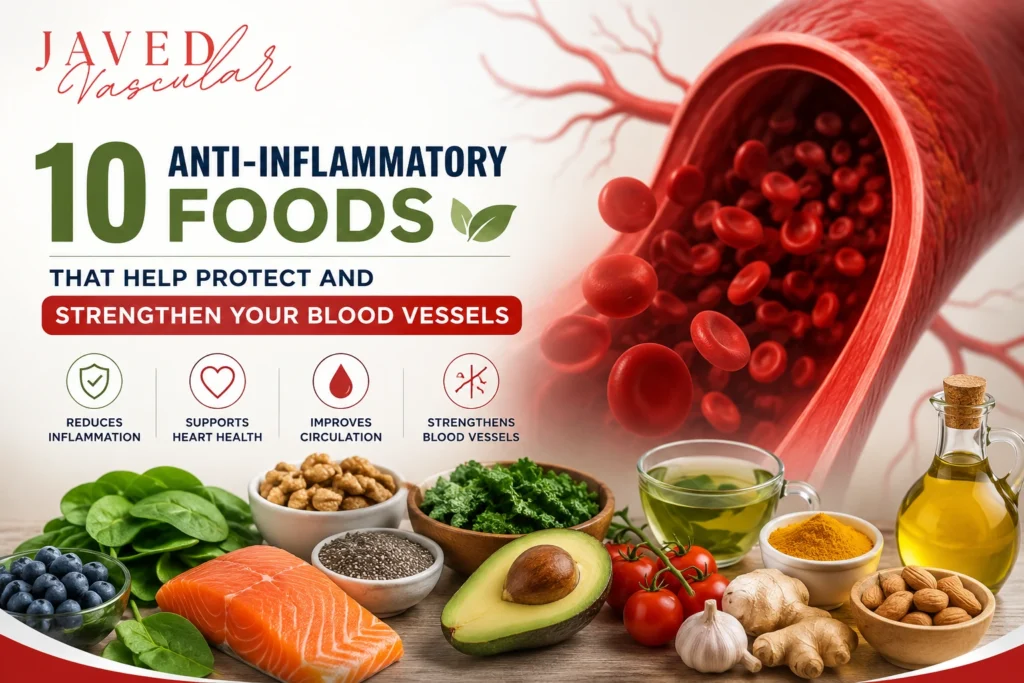
Your blood vessels play a critical role in keeping your body healthy. They transport oxygen, nutrients, and blood to every organ and tissue. When blood vessels become inflamed, their function can gradually decline, increasing the risk of circulation problems, vascular disease, heart disease, and stroke.
While genetics, age, and certain medical conditions can affect vascular health, your diet also plays a major role. Research continues to show that chronic inflammation contributes to damage within blood vessel walls, while anti-inflammatory foods can help support healthier circulation and vascular function.
Adding the right foods to your diet won’t replace medical treatment when needed, but it can be an important step toward protecting your blood vessels and supporting long-term cardiovascular health.
Here are 10 anti-inflammatory foods that can help protect and strengthen your blood vessels naturally.
1. Fatty Fish Rich in Omega-3 Fatty Acids
Fatty fish such as salmon, sardines, mackerel, and trout are among the best foods for reducing inflammation throughout the body.
These fish contain omega-3 fatty acids, which help reduce inflammatory markers and support healthy blood vessel function. Omega-3s may also help improve circulation, reduce triglyceride levels, and support healthy blood pressure.
Including fatty fish in your meals two or three times each week can provide significant vascular benefits.
2. Berries
Blueberries, strawberries, blackberries, and raspberries are packed with antioxidants called anthocyanins.
These compounds help fight oxidative stress, which can contribute to inflammation and blood vessel damage. Regular consumption of berries may support healthier arteries, improved circulation, and better vascular function.
Berries are easy to add to smoothies, yogurt, oatmeal, or healthy snacks throughout the day.
3. Leafy Green Vegetables
Spinach, kale, arugula, and Swiss chard are excellent sources of vitamins, minerals, fiber, and nitrates.
Dietary nitrates help the body produce nitric oxide, a compound that relaxes blood vessels and promotes better blood flow. Improved blood vessel flexibility may help reduce strain on the cardiovascular system and support healthy circulation.
A daily serving of leafy greens can make a meaningful difference in overall vascular health.
4. Extra Virgin Olive Oil
Extra virgin olive oil is one of the most widely studied anti-inflammatory foods.
Rich in healthy monounsaturated fats and polyphenols, olive oil may help reduce inflammation, protect blood vessel walls, and improve cholesterol levels. It is a key component of the Mediterranean diet, which has been associated with improved cardiovascular health and reduced vascular disease risk.
Using olive oil instead of heavily processed cooking oils is a simple lifestyle upgrade.
5. Nuts and Seeds
Walnuts, almonds, chia seeds, flaxseeds, and pumpkin seeds provide a powerful combination of healthy fats, fiber, antioxidants, and minerals.
Walnuts are particularly beneficial because they contain plant-based omega-3 fatty acids. Regular consumption of nuts and seeds may support healthier blood vessels and reduce inflammation throughout the body.
A small handful each day can provide meaningful nutritional benefits.
6. Tomatoes
Tomatoes are rich in lycopene, a potent antioxidant known for its vascular and cardiovascular benefits.
Lycopene may help reduce oxidative stress and support healthier blood vessel function. Both fresh and cooked tomatoes contain valuable nutrients that contribute to a heart-healthy diet.
Tomatoes are an easy addition to salads, soups, sauces, and sandwiches.
7. Avocados
Avocados contain healthy fats, potassium, fiber, and antioxidants that support vascular wellness.
Potassium helps regulate blood pressure, while monounsaturated fats may help reduce inflammation. Regular avocado consumption can contribute to healthier circulation and overall cardiovascular health.
Adding avocado to meals can also increase satiety and support healthy weight management.
8. Turmeric
Turmeric contains curcumin, a natural compound known for its powerful anti-inflammatory properties.
Curcumin has been studied for its potential to reduce chronic inflammation and support healthy blood vessel function. Some research suggests it may help protect the lining of blood vessels and improve circulation.
Combining turmeric with black pepper may improve the body’s ability to absorb curcumin.
9. Garlic
Garlic has long been recognized for its cardiovascular benefits.
Its natural sulfur compounds may help improve circulation, support healthy blood pressure levels, and reduce inflammation. Regular garlic consumption may also contribute to healthier blood vessel flexibility.
Fresh garlic can easily be incorporated into many home-cooked meals.
10. Green Tea
Green tea contains antioxidants called catechins that help protect blood vessels from oxidative stress and inflammation.
Regular consumption may support improved circulation, healthier blood vessels, and overall cardiovascular wellness. Replacing sugary beverages with green tea can be a simple way to support vascular health.
Why Inflammation Matters for Blood Vessel Health
Inflammation is a natural response that helps the body heal from injury and fight infection. However, chronic inflammation can become harmful when it persists over time.
Long-term inflammation may contribute to:
- Atherosclerosis
- Peripheral artery disease
- High blood pressure
- Coronary artery disease
- Stroke
- Poor circulation
Inflammation can damage the inner lining of blood vessels, known as the endothelium. Once this protective lining becomes compromised, blood flow may become less efficient, and vascular disease can develop more easily.
For individuals with diabetes, inflammation can also affect circulation in the feet and lower legs. Understanding the early warning signs of diabetic foot complications is important because circulation problems often develop gradually before becoming serious.
The Connection Between Diet and Vascular Disease
An anti-inflammatory diet cannot completely eliminate vascular disease risk, but it can help reduce some of the factors that contribute to blood vessel damage.
When combined with regular exercise, healthy sleep habits, and proper medical care, anti-inflammatory foods may help:
- Improve circulation
- Support healthier blood pressure
- Reduce oxidative stress
- Promote healthier arteries
- Lower chronic inflammation levels
However, nutrition alone may not be enough if symptoms of vascular disease are already present.
When Lifestyle Changes Are Not Enough
Many vascular conditions begin with mild symptoms that are easy to ignore.
If you experience persistent leg swelling, aching, heaviness, cramping, visible veins, or skin changes, it may be time to seek professional care. Learning the warning signs that varicose veins may require medical attention can help you recognize when symptoms should not be dismissed.
Early intervention often leads to better outcomes and can prevent complications from worsening.
Vein Health Is Part of Overall Vascular Health
Healthy blood vessels include both arteries and veins. While many people focus on heart health, vein disease can also significantly impact circulation and quality of life.
Symptoms such as leg heaviness, swelling, aching, and visible varicose veins may indicate underlying venous insufficiency. Individuals experiencing these symptoms may benefit from a comprehensive vascular evaluation for leg symptoms to identify potential circulation issues.
Seeking care early can help prevent progression and improve daily comfort.
Modern Treatment Options for Vein Disease
Diet and lifestyle improvements support vascular health, but they cannot repair damaged vein valves.
For patients whose symptoms continue despite conservative measures, several minimally invasive treatments are available. Many individuals today choose advanced laser-based vein treatment options because they typically involve less discomfort and faster recovery than traditional surgical approaches.
A personalized treatment plan depends on the severity of the condition and the patient’s overall vascular health.
Why Professional Evaluation Matters
Not every circulation problem is caused by poor diet or lifestyle factors. Sometimes underlying vascular conditions require specialized care.
Patients dealing with ongoing vein-related symptoms may benefit from consulting a vein specialist experienced in circulation disorders to determine the most appropriate treatment strategy.
Proper diagnosis helps ensure that the underlying cause of symptoms is addressed rather than simply managing discomfort.
Diabetes, Inflammation, and Blood Vessel Health
People living with diabetes face a higher risk of circulation-related complications because elevated blood sugar levels can damage blood vessels over time.
Poor circulation combined with inflammation may increase the risk of wounds that heal slowly. In more advanced cases, specialized diabetic wound care and vascular management may be necessary to support healing and reduce the risk of serious complications.
Maintaining healthy blood vessels through proper nutrition, blood sugar control, and routine medical care remains one of the most effective ways to protect long-term health.
Final Thoughts
The foods you eat every day can have a meaningful impact on your vascular health. Fatty fish, berries, leafy greens, olive oil, nuts, tomatoes, avocados, turmeric, garlic, and green tea all contain nutrients that help reduce inflammation and support healthy blood vessels.
While these foods cannot replace professional medical care when needed, they can help create a strong foundation for better circulation, healthier arteries, and improved cardiovascular wellness.
Combined with regular physical activity, healthy lifestyle habits, and timely medical evaluation when symptoms arise, an anti-inflammatory diet can be a powerful tool for protecting and strengthening your blood vessels for years to come.