
Aortic Aneurysms Explained: The Silent Threat You Should Know About

Atherosclerosis: Causes, Symptoms, Treatment & Prevention
September 9, 2026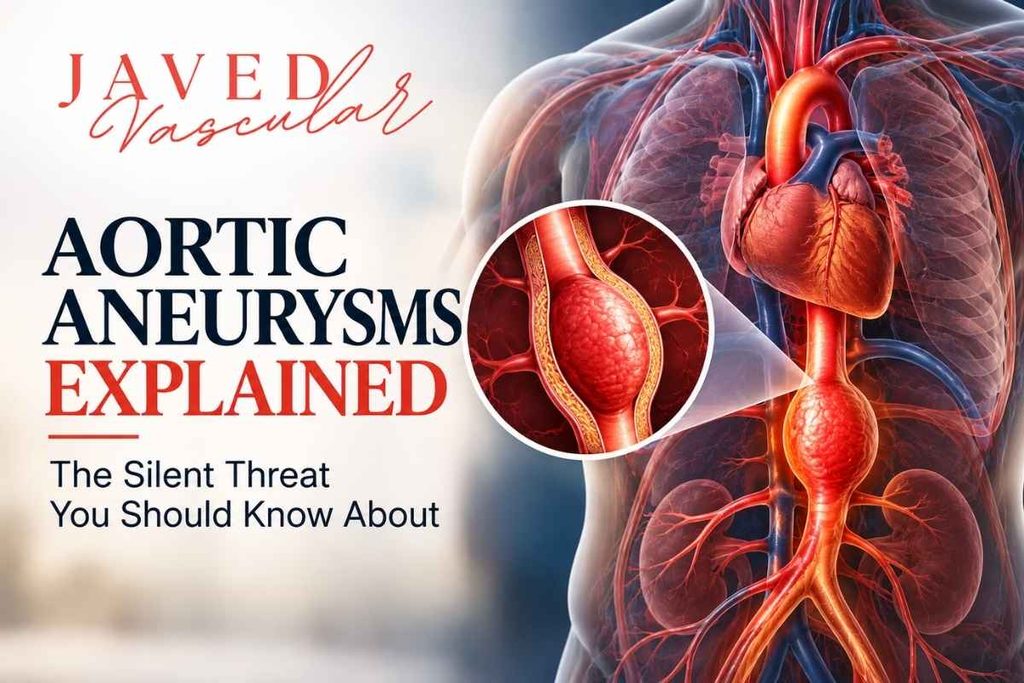
An aortic aneurysm is a serious vascular condition that can develop without obvious warning signs. Because the aorta is the body’s largest artery, an aneurysm affecting it can become dangerous if the weakened section of the artery grows or ruptures. Understanding what causes an aortic aneurysm, how it is detected, and when treatment may be needed can help people take action before complications occur.
What Is an Aortic Aneurysm?
The aorta carries oxygen-rich blood from the heart to the rest of the body. It travels through the chest and abdomen before dividing into smaller arteries that supply blood to the lower body.
An aortic aneurysm develops when part of the aortic wall becomes weak and begins to bulge or widen. The aneurysm may occur in the chest, known as a thoracic aortic aneurysm, or in the abdomen, known as an abdominal aortic aneurysm.
Small aneurysms may remain stable for years and may not cause symptoms. However, as an aneurysm becomes larger, the risk of serious complications can increase. In some cases, the weakened artery can tear or rupture, causing severe internal bleeding.
Why Are Aortic Aneurysms Called a Silent Threat?
One of the main concerns with aortic aneurysms is that they often develop without noticeable symptoms. Many people discover they have an aneurysm during an imaging test performed for another medical reason.
When symptoms do occur, they can vary depending on the location and size of the aneurysm.
A thoracic aortic aneurysm may cause:
- Chest or upper back pain
- Shortness of breath
- Difficulty swallowing
- Hoarseness or changes in the voice
- Coughing
An abdominal aortic aneurysm may cause:
- A deep or persistent pain in the abdomen
- Back pain
- A feeling of pulsing in the abdomen
Sudden, severe abdominal, chest, or back pain can be a medical emergency, particularly when accompanied by dizziness, weakness, fainting, rapid heartbeat, or low blood pressure. These symptoms may indicate a rupture or another serious complication and require immediate emergency medical attention.
What Causes an Aortic Aneurysm?
Aortic aneurysms can develop for several reasons. Damage or weakening of the artery wall over time is an important factor.
Common risk factors include:
High Blood Pressure
Long-term high blood pressure places additional stress on artery walls. Over time, this pressure may contribute to weakening of the aorta.
Atherosclerosis
Atherosclerosis occurs when fatty deposits and other substances build up inside the arteries. This can affect the health and strength of blood vessels and is associated with an increased risk of certain aortic problems.
Smoking
Smoking can damage blood vessels and is an important risk factor, particularly for abdominal aortic aneurysms.
Age
The risk of an aortic aneurysm generally increases with age. Regular medical evaluation may be particularly important for people with multiple risk factors.
Family History
A family history of aortic aneurysm can increase the risk. Certain inherited conditions can also affect the structure of connective tissue and make the aorta more vulnerable.
Previous Vascular Problems
People with certain vascular conditions may have a higher risk of developing an aneurysm and may require closer monitoring.
Who Is at Higher Risk?
Several factors can increase the likelihood of developing an aortic aneurysm. These include older age, smoking, high blood pressure, high cholesterol, atherosclerosis, and a family history of aneurysms.
Men are also at higher risk of abdominal aortic aneurysms than women. However, women can develop aneurysms as well, and risk assessment should be based on an individual’s overall health and medical history.
People with certain inherited conditions, including connective tissue disorders, may also have an increased risk of problems involving the aorta.
How Are Aortic Aneurysms Diagnosed?
Because many aortic aneurysms do not cause symptoms, imaging plays an important role in diagnosis.
Depending on the suspected location of the aneurysm, a healthcare provider may recommend tests such as:
- Abdominal ultrasound
- CT scan
- CT angiography
- MRI or MR angiography
- Echocardiography
These tests can help determine the location and size of an aneurysm. Doctors may also monitor an aneurysm over time to see whether it is changing.
How Are Aortic Aneurysms Treated?
Treatment depends on several factors, including the aneurysm’s location, size, growth rate, symptoms, and the patient’s overall health.
Monitoring
Small aneurysms that do not require immediate intervention may be monitored through regular imaging. Blood pressure management, smoking cessation, physical activity, and other lifestyle measures may also form part of the treatment plan.
Medication
Medication may be prescribed to control conditions that can place additional stress on blood vessels. Depending on a person’s health, this may include medicines for blood pressure or cholesterol.
Medication does not remove an existing aneurysm, but managing cardiovascular risk factors can be an important part of reducing further vascular complications.
Endovascular Repair
Endovascular aneurysm repair, or EVAR, is a minimally invasive procedure used for certain abdominal aortic aneurysms. A doctor guides a stent graft through a blood vessel, usually through an artery in the groin, and places it inside the affected portion of the aorta.
For some thoracic aneurysms, a similar procedure called thoracic endovascular aortic repair, or TEVAR, may be appropriate.
Open Surgical Repair
In some cases, open surgery may be recommended. During the procedure, the damaged portion of the aorta is repaired or replaced with a graft.
The appropriate approach depends on the patient’s individual anatomy and the characteristics of the aneurysm.
When Should You See a Vascular Specialist?
Anyone who has been diagnosed with an aortic aneurysm should discuss appropriate monitoring and treatment with their healthcare provider. A vascular specialist can evaluate the condition and determine whether observation, medical management, or an intervention may be appropriate.
If you are looking for a Vascular Surgeon in Houston, specialist evaluation can help you understand your condition and available treatment options.
It is also important to remember that not every leg or circulation-related symptom is caused by an aortic aneurysm. Conditions affecting blood flow can have different causes and require different evaluations. For example, people experiencing uncomfortable sensations or an urge to move their legs may need assessment for Restless Leg Syndrome Specialist in Houston services.
Similarly, people living with diabetes should pay close attention to wounds or changes in their feet. Poor circulation and nerve damage can make diabetic foot problems harder to heal. Appropriate Diabetic Foot Wound Treatment in Houston can help address these complications and reduce the risk of more serious problems.
Can Aortic Aneurysms Be Prevented?
Not every aneurysm can be prevented, especially when genetic factors are involved. However, managing cardiovascular risk factors may help protect overall vascular health.
Helpful steps include:
- Avoiding tobacco products
- Keeping blood pressure under control
- Managing cholesterol
- Maintaining a healthy weight
- Staying physically active as recommended by your healthcare provider
- Following treatment plans for diabetes and other chronic conditions
- Attending recommended medical and imaging appointments
- Discussing your family history with your doctor
People with a strong family history of aortic disease should discuss their individual risk with a healthcare professional.
Take Aortic Health Seriously
An aortic aneurysm may exist for years without causing noticeable symptoms, which is why awareness and appropriate medical evaluation are important. Early detection allows doctors to monitor the aneurysm and consider treatment when necessary.
If you have risk factors for an aortic aneurysm or have already been diagnosed with one, speak with a qualified healthcare professional about appropriate monitoring and treatment. And if sudden, severe chest, abdominal, or back pain occurs, seek emergency medical care immediately.
This article is for general educational purposes and should not replace an evaluation or treatment plan from a qualified healthcare professional.

