When Should You Worry About Varicose Veins? Signs, Risks, and Treatment Options

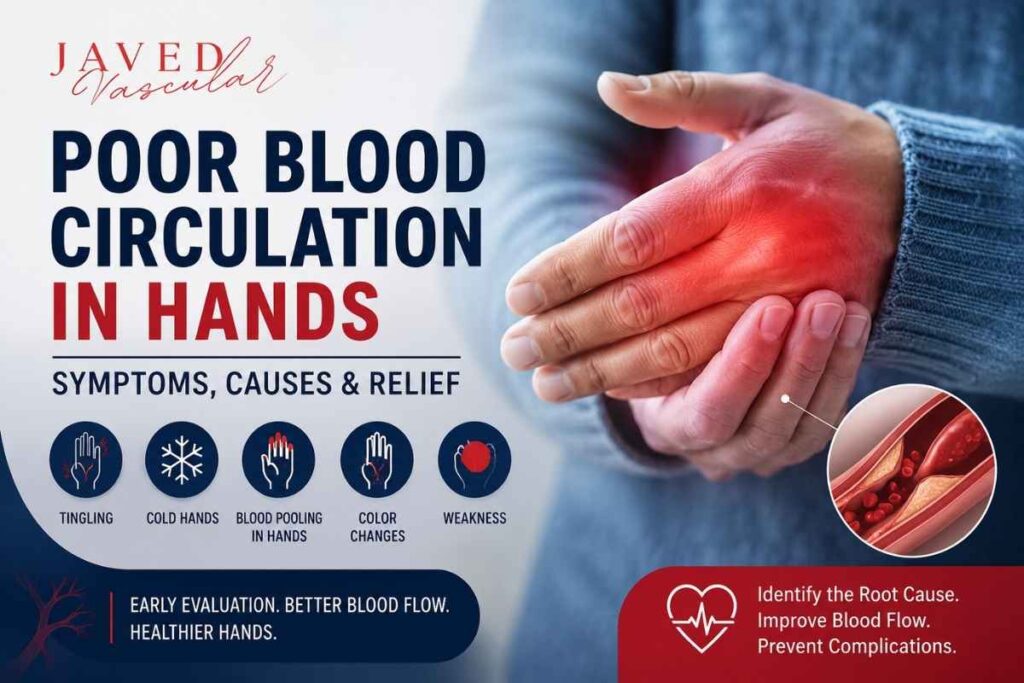
Poor Blood Circulation in Hands: Symptoms, Causes & Relief
May 29, 2026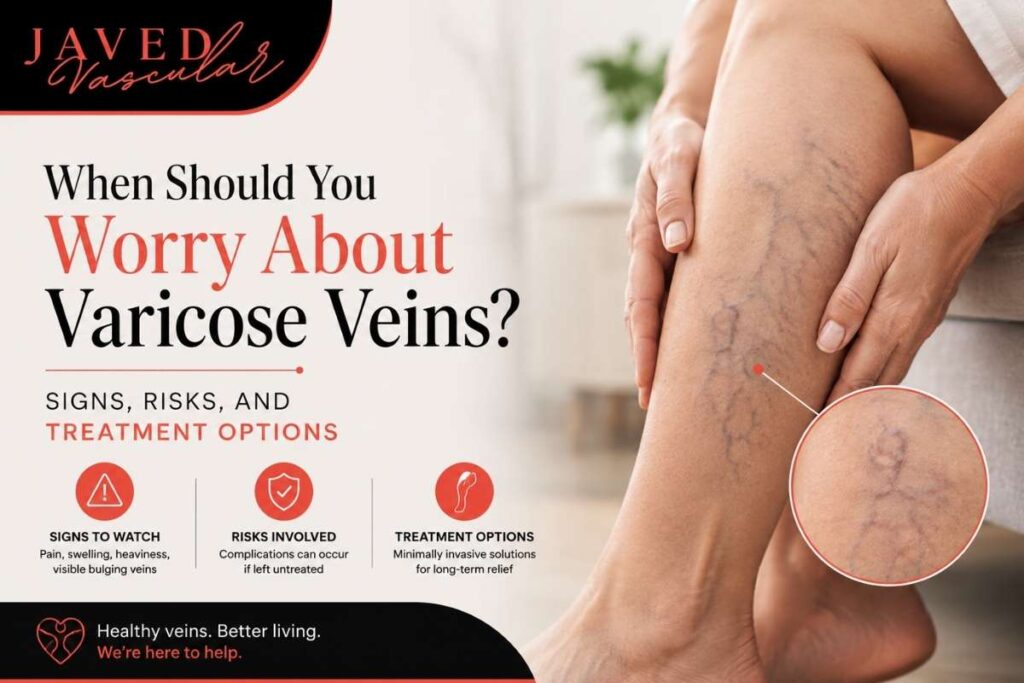
Varicose veins are enlarged, twisted veins that typically develop in the legs when the valves inside the veins weaken and allow blood to pool instead of flowing efficiently back to the heart. They often appear as bulging blue or purple veins beneath the skin and may be accompanied by symptoms such as aching, heaviness, swelling, throbbing, itching, or leg fatigue.
Many people wonder, “Can varicose veins go away on their own?” While certain lifestyle changes may help relieve symptoms, established varicose veins usually do not disappear without treatment. Another common concern is whether varicose veins are dangerous. In many cases, they are primarily a cosmetic issue, but some individuals may develop complications such as skin changes, ulcers, or blood clots.
Understanding when symptoms require medical attention can help protect your vein health and prevent more serious problems from developing.
What Are Varicose Veins and Why Do They Develop?
Varicose veins develop when the valves inside your veins become weak or damaged. These valves are responsible for keeping blood moving in one direction, back toward the heart. When they do not function properly, blood can flow backward and collect within the vein, causing it to enlarge, twist, and become visible beneath the skin.
Although varicose veins can occur in anyone, certain factors increase the likelihood of developing them. Aging naturally weakens vein walls and valves over time, while a family history of vein disease can increase your risk. Pregnancy places additional pressure on the veins and increases blood volume, making varicose veins more common in expectant mothers. Spending long periods standing or sitting can also affect circulation and contribute to blood pooling in the legs. In addition, excess body weight places greater pressure on the veins, increasing the risk of vein-related problems.
Understanding these risk factors can help you take steps to support healthy circulation and recognize potential vein issues early.
Are Varicose Veins Dangerous or Harmful?
Many people ask, “Are varicose veins dangerous?” or “Are varicose veins harmful?” The good news is that most varicose veins are not immediately dangerous and often begin as a cosmetic concern. However, that does not mean they should always be ignored, especially if symptoms are getting worse over time.
Untreated varicose veins can sometimes lead to complications, including persistent leg swelling, skin discoloration, itching, and thickening of the skin around the ankles. In more advanced cases, some individuals may develop venous ulcers, which are slow-healing wounds that can be difficult to manage. Although less common, blood clots and inflammation within the veins can also occur and may require prompt medical attention.
If you are experiencing increasing pain, swelling, skin changes, or other concerning symptoms, it is important to seek an evaluation. A qualified varicose vein Specialist in Houston can determine whether your condition is progressing and recommend appropriate treatment options to help prevent complications.
When to Worry About Varicose Veins
Knowing when to worry about varicose veins can help you seek treatment before complications develop. While mild varicose veins may only cause cosmetic concerns, certain symptoms should not be ignored.
You should consider scheduling a medical evaluation if you experience:
- Persistent leg pain, aching, or a feeling of heaviness that interferes with daily activities
- Increasing swelling in the legs, ankles, or feet
- Skin discoloration, hardening, or changes in texture around the lower leg
- Open sores or wounds near the ankle that heal slowly
- Sudden redness, warmth, tenderness, or swelling that could indicate inflammation or a blood clot
- Bleeding from a varicose vein, even if it appears minor
If any of these warning signs occur, it is important to have your veins evaluated promptly. Early diagnosis and treatment can help relieve symptoms, improve circulation, and reduce the risk of more serious vein-related complications.
When to Worry About Spider Veins
Spider veins are smaller, thin red, blue, or purple veins that appear close to the surface of the skin. Unlike varicose veins, they typically do not bulge or twist and are often considered a cosmetic concern rather than a medical condition.
However, knowing when to worry about spider veins is important. While many cases are harmless, spider veins can sometimes be a sign of underlying venous insufficiency, a condition in which blood does not flow efficiently through the veins. If left untreated, the underlying vein problem may continue to progress.
A vascular evaluation may be recommended if spider veins are accompanied by symptoms such as leg pain, aching, heaviness, swelling, cramping, itching, or fatigue. You should also seek medical attention if spider veins continue to spread rapidly or if you notice skin changes around the affected area.
An evaluation can help determine whether your spider veins are purely cosmetic or related to a deeper circulation issue that may benefit from treatment.
How Are Varicose Veins Treated?
Treatment for varicose veins depends on the severity of your symptoms and the underlying cause of the vein disease. For many patients, conservative measures are the first step in managing discomfort and improving circulation.
Compression stockings can help support healthy blood flow and reduce symptoms such as swelling, aching, and leg fatigue. Regular exercise and maintaining a healthy weight may also improve circulation and reduce pressure on the veins.
When symptoms persist or vein disease progresses, minimally invasive treatments may be recommended. Modern procedures can close or eliminate damaged veins with little downtime, helping improve both comfort and appearance.
Seeking treatment early can help prevent complications, reduce symptoms before they worsen, and improve your overall quality of life. An evaluation can determine which treatment approach is most appropriate for your condition.
Frequently Asked Questions About Varicose Veins
Can varicose veins disappear without treatment?
In most cases, established varicose veins do not disappear on their own. Lifestyle changes may help reduce symptoms, but medical treatment is often needed to eliminate or close damaged veins.
Are varicose veins harmful to overall health?
Many varicose veins are not dangerous, but they can sometimes lead to complications such as swelling, skin changes, venous ulcers, or blood clots if left untreated.
When should I see a doctor for varicose veins?
You should consider an evaluation if you experience persistent leg pain, heaviness, swelling, skin discoloration, open sores, or sudden redness and tenderness around a vein.
Are spider veins and varicose veins the same?
No. Spider veins are smaller, thinner veins that appear near the skin’s surface, while varicose veins are larger, swollen veins that may cause more noticeable symptoms and circulation problems.
Can untreated varicose veins get worse over time?
Yes. Without treatment, varicose veins may gradually become more prominent and can lead to worsening symptoms, skin damage, and other vein-related complications in some individuals.