Why You Shouldn’t Ignore Leg Pain: Early Signs of Vascular Disease

Varicose Veins: More Than a Cosmetic Concern
December 6, 2025
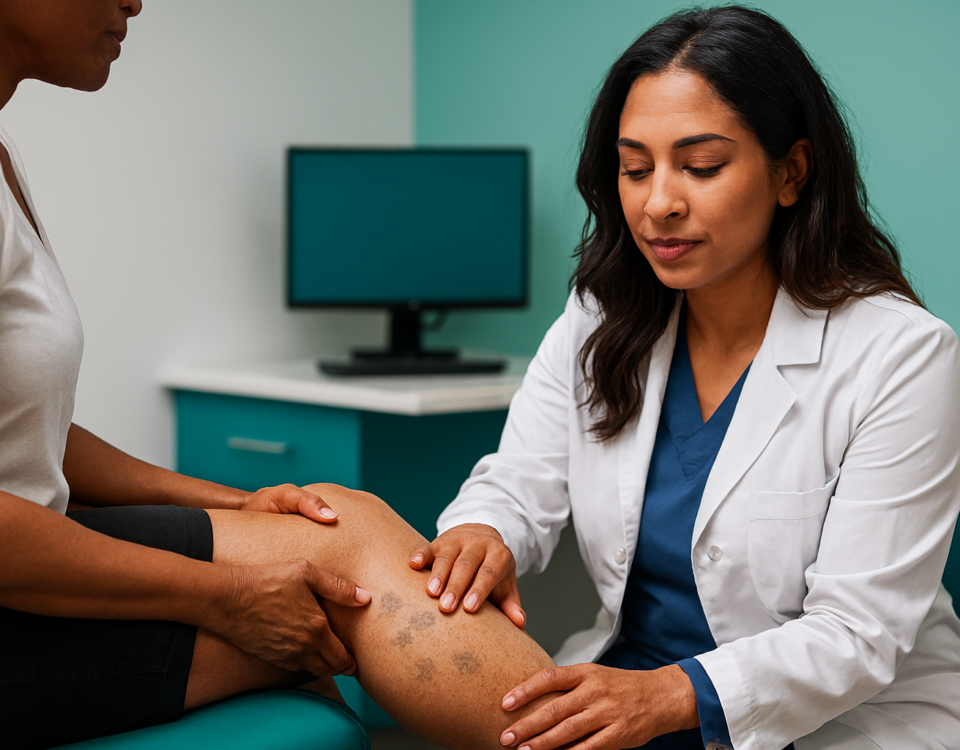
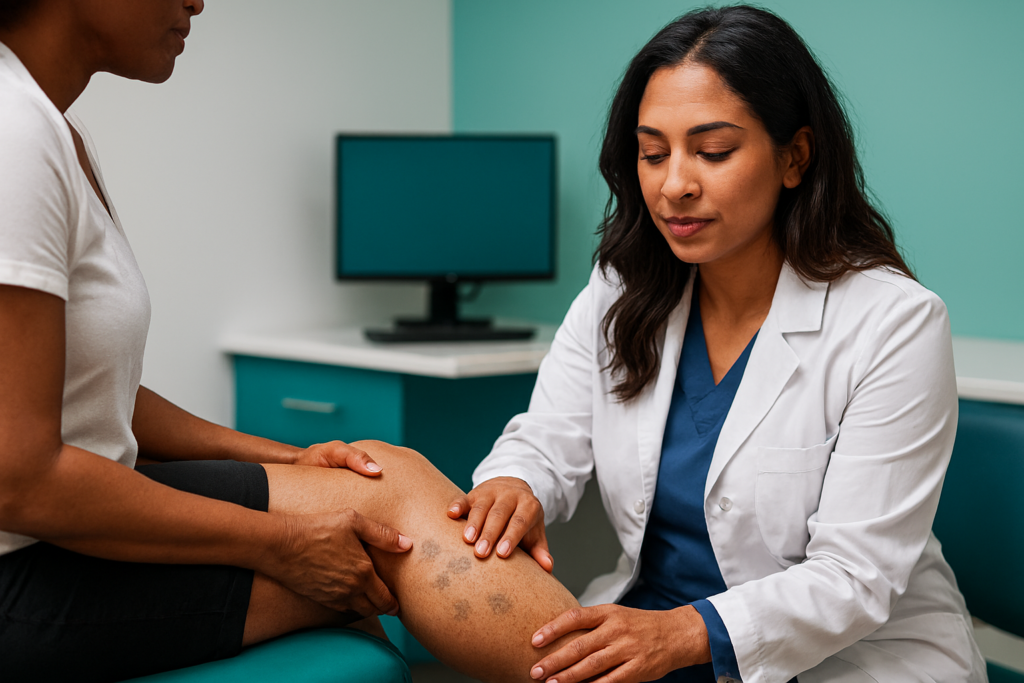
Many people brush off leg pain as “age,” muscle strain, or fatigue. But persistent pain, swelling, or visible veins can be early signs of vascular disease. Ignoring these symptoms can lead to serious health concerns, including blood clots, restricted blood flow, or even limb loss in advanced cases.
Understanding the warning signs and acting early can prevent complications and improve long-term health.
Common Symptoms You Should Pay Attention To
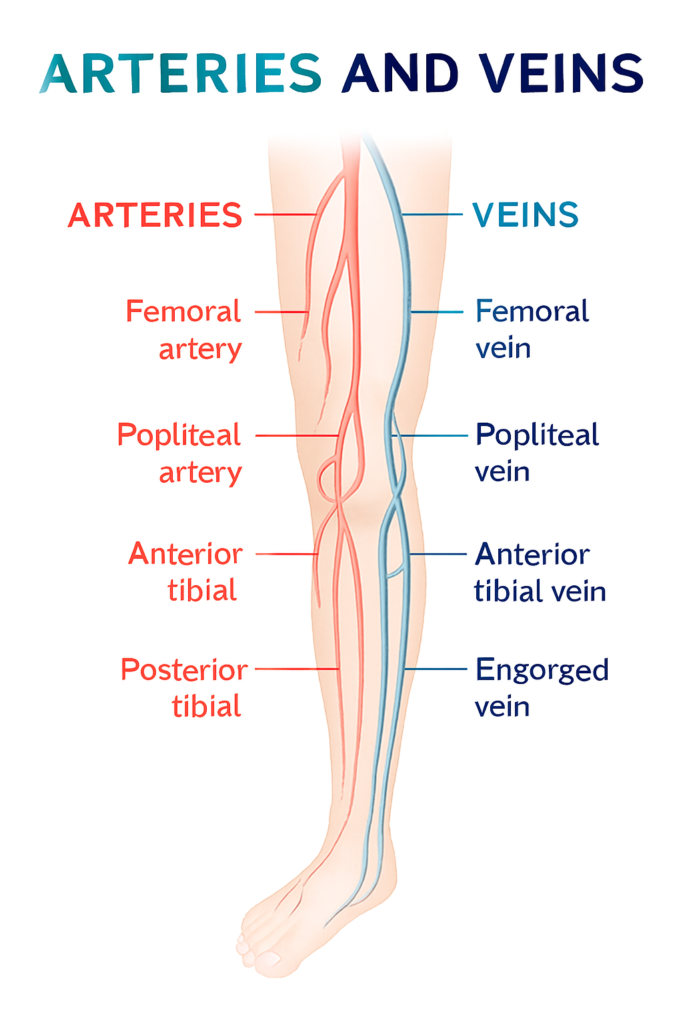
Vascular disease affects blood vessels, so the symptoms often show up in the legs first. Some early indicators include:
- Pain or cramping while walking that improves with rest
- Swelling in the lower legs or ankles
- Visible bulging veins or varicose veins
- Numbness, tingling, or heaviness in the legs
- Slow-healing wounds or skin discolouration
These symptoms may seem harmless at first, but they can point to underlying circulation problems.
What Causes Vascular Disease?
There’s no single cause, but several risk factors increase the chances of developing vascular conditions. The most common include:
- Diabetes
- Smoking
- High cholesterol
- High blood pressure
- Obesity
- Family history of vascular issues
Lifestyle plays a major role, which means early intervention can make a difference.
Why Early Diagnosis Matters
Vascular disease progresses quietly. By the time symptoms become severe, the arteries or veins may already be damaged. Early diagnosis can help prevent:
- Stroke
- Deep vein thrombosis (DVT)
- Pulmonary embolism
- Non-healing ulcers
- Amputation
Modern vascular medicine offers minimally invasive procedures that restore circulation without long hospital stays or extensive recovery.
When Should You See a Specialist?
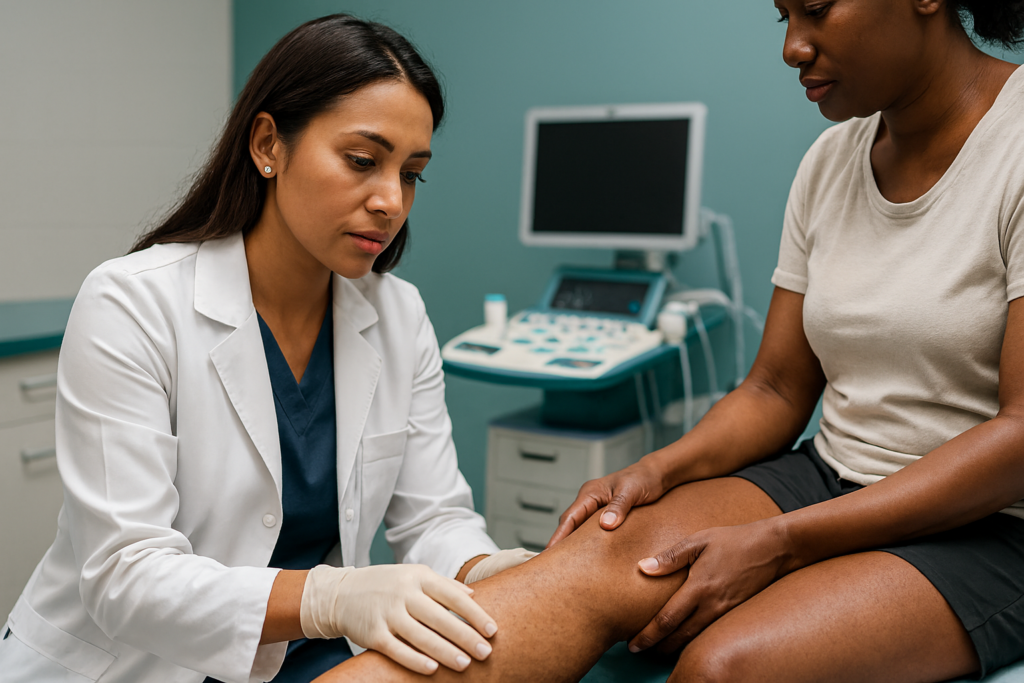
If your symptoms interfere with daily activities, don’t improve with rest, or appear suddenly, it’s time to speak with a vascular specialist. Seeking help early gives you more treatment options and better outcomes.
How Treatment Helps
Treatment depends on the condition and severity. It may include lifestyle changes, medication, compression care, or minimally invasive procedures such as:
- Endovenous ablation for varicose veins
- Angioplasty or stenting for blocked arteries
- Hemodialysis access care for kidney patients
- Endovascular procedures to improve blood flow
The goal is simple: relieve symptoms, prevent complications, and help you maintain an active life.
Take the First Step Toward Better Vascular Health
If you’re experiencing persistent leg pain, swelling, or visible veins, don’t ignore them. Early evaluation can help protect your long-term health and prevent serious complications.
Your vascular health matters. Listening to your body is the first step.
Not always. Sometimes leg pain is due to muscle strain or joint issues. But if the pain appears while walking and improves with rest, or if it’s accompanied by swelling, visible veins, or skin changes, it could be related to a vascular condition.
You should seek medical evaluation if you have persistent leg pain, swelling, varicose veins, wounds that don’t heal, numbness, or changes in skin colour. Sudden, severe pain or swelling should be treated as an emergency.
Risk increases if you have diabetes, high blood pressure, high cholesterol, a history of smoking, obesity, or a family history of heart or vascular problems. A sedentary lifestyle can also contribute.
You can lower the risk by staying active, maintaining a healthy weight, controlling blood sugar and blood pressure, avoiding smoking, and eating a balanced diet. Regular checkups help catch early signs before complications develop.
Treatment depends on the condition. Options include medication, lifestyle modification, compression therapy, and minimally invasive procedures such as endovenous ablation, angioplasty, stenting, or catheter-based interventions.
Yes. Modern endovascular procedures are safe, effective, and often require shorter recovery times. Most patients return to normal activities faster compared to traditional open surgery.ents most complications.
Not always. Some people seek treatment for cosmetic reasons, while others experience discomfort, heaviness, or swelling. If symptoms affect daily life or the condition gets worse, treatment is recommended.
Yes, if ignored. Untreated vascular conditions can lead to blood clots, ulcers, stroke, pulmonary embolism, or in severe cases, limb loss. Early diagnosis prev