Varicose Veins: More Than a Cosmetic Concern

Why You Shouldn’t Ignore Leg Pain: Early Signs of Vascular Disease
December 6, 2025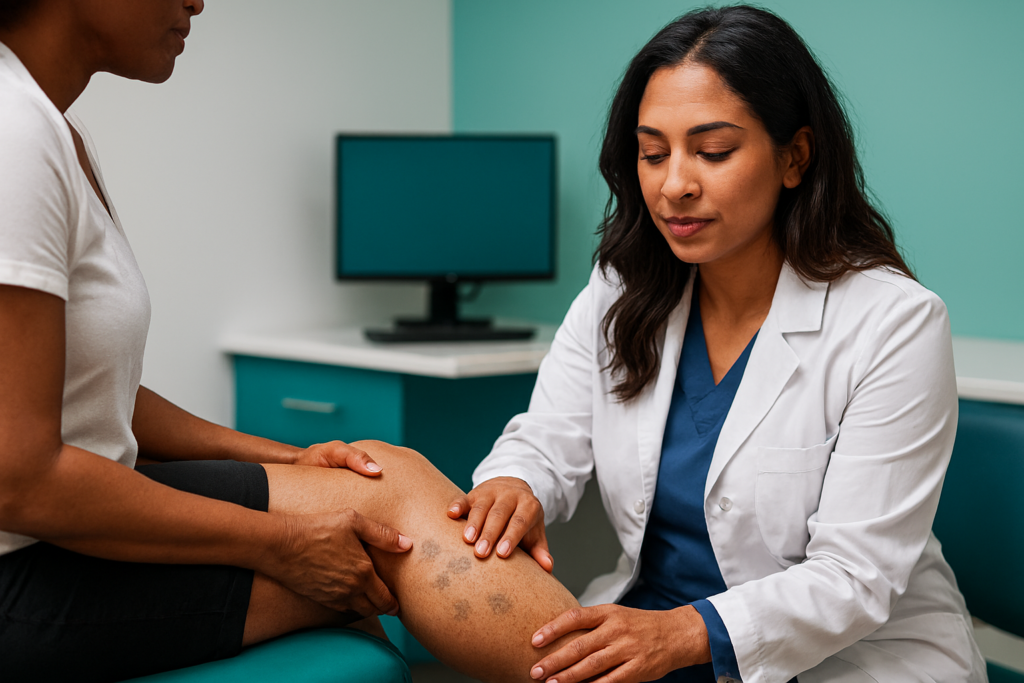
Many people think varicose veins are only a cosmetic issue. The truth is, visible veins can be the first sign of an underlying vascular problem. Left untreated, they can lead to discomfort, skin changes, and sometimes serious complications.
If you’ve noticed swelling, heaviness, or visible veins in your legs, understanding what’s happening beneath the surface can help you decide when it’s time to seek treatment.
What Causes Varicose Veins?
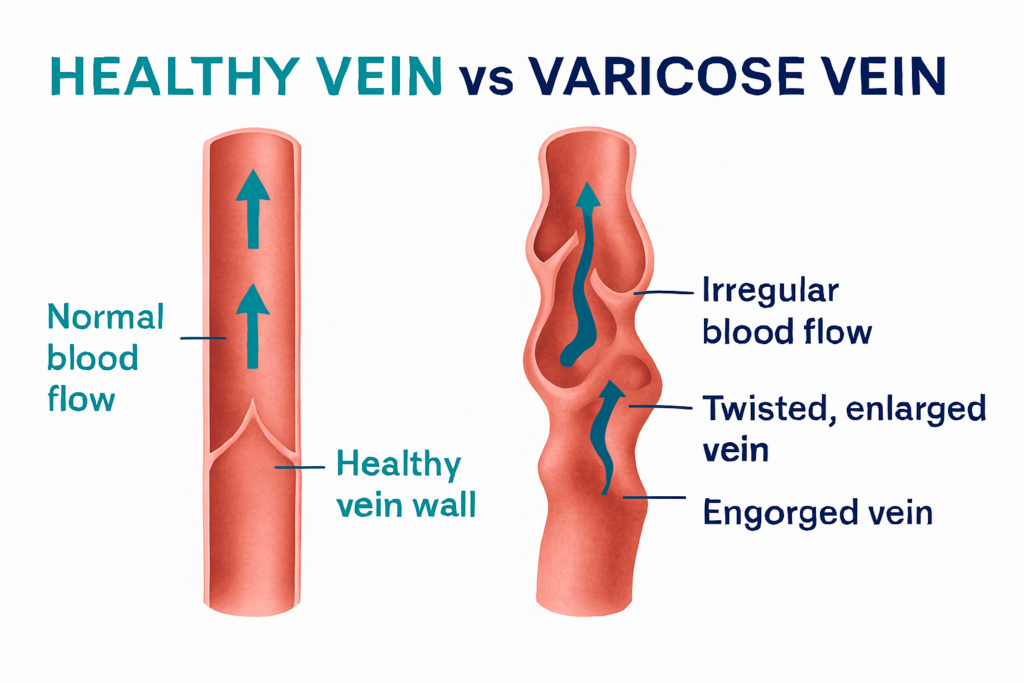
Varicose veins develop when the valves inside your veins stop working properly. These valves normally help push blood back toward the heart. When they weaken, blood starts pooling in the veins, causing them to stretch and become enlarged.
Some common reasons this happens include:
- Standing or sitting for long hours
- Family history of venous disease
- Pregnancy
- Age-related weakening of vein walls
- Obesity or lack of movement
Anyone can develop varicose veins, but the risk increases if multiple factors apply.
Signs You Shouldn’t Ignore
Not all symptoms show up right away. Many people notice mild discomfort long before the veins become visible.
Early signs include:
- Aching or throbbing in the legs
- Swelling around the ankles
- A feeling of heaviness or fatigue
- Itching or irritation around the vein
- Night cramps
If the condition progresses, skin discolouration, ulcers, or hard, painful lumps may appear.
When Is Treatment Needed?
Treatment isn’t just about appearance. If symptoms interfere with daily life, worsen over time, or lead to skin changes, it’s better to get evaluated early. Early treatment helps prevent complications like blood clots, infection, or chronic venous insufficiency.
Available Treatment Options
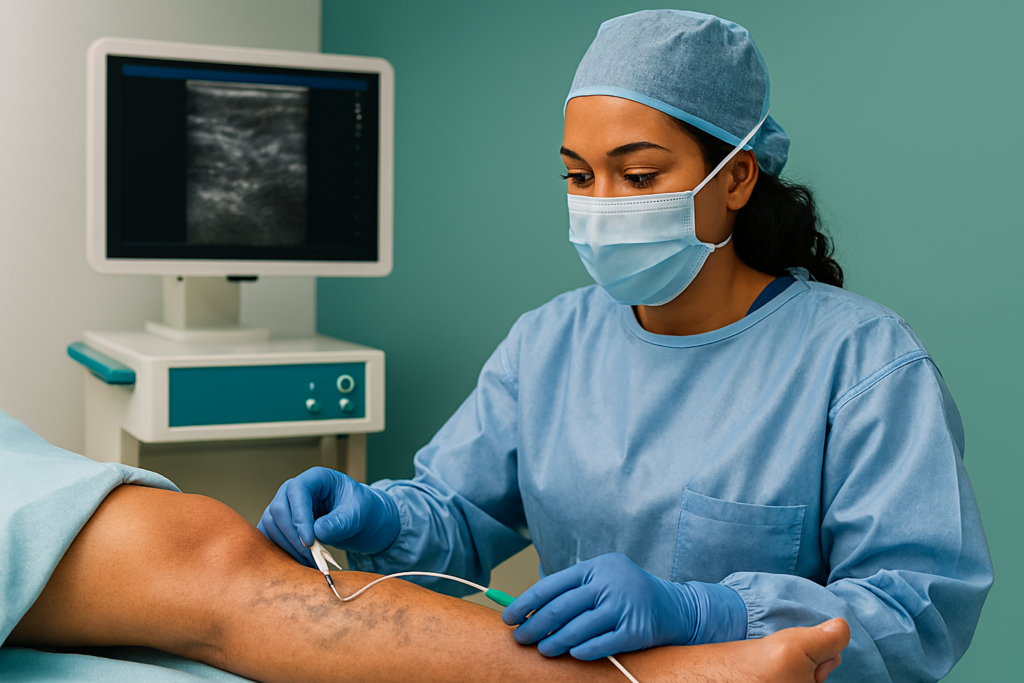
Modern treatment options are effective, minimally invasive, and designed for quick recovery. Depending on severity, a vascular specialist may recommend:
- Compression Therapy: Helps improve circulation in mild cases.
- Endovenous Ablation: Uses heat or laser energy to close damaged veins.
- Sclerotherapy: A medication is injected to collapse and fade smaller veins.
- Phlebectomy: A minor outpatient procedure to remove bulging veins.
Most treatments don’t require hospital stays, and patients return to normal activities fairly quickly.
Can Varicose Veins Be Prevented?
Not all cases can be prevented, especially if genetics plays a role. But you can lower your risk by:
- Staying active
- Avoiding long periods of sitting or standing
- Maintaining a healthy weight
- Elevating your legs when resting
- Wearing medical-grade compression stockings is recommended
Small, consistent habits often make a big difference.
The Bottom Line
Varicose veins aren’t just about appearance. They can affect comfort, mobility, and long-term vascular health. If symptoms persist or worsen, speaking with a vascular specialist helps you understand whether treatment is necessary and which options are right for you.
Listening to your body early can prevent bigger issues later.